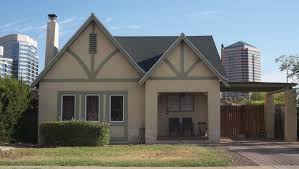
One of the first questions serious buyers ask in Central Phoenix is:
“Who actually lives here?”
Not just who owns the houses but who lives in them.
Because there’s a difference.
Central Phoenix isn’t a standard, run of the mill suburban area, we have all types of homes in close proximity. Neighborhoods like Garfield, Coronado, and Oakland are particularly a mix of renters and owners. Because of this, we have a higher tolerance for rentals. However, the ratio of owner-occupied homes to rentals can significantly impact everything from property condition to long-term value.
Home ownership has a little different meaning here too. The housing crisis and new laws to address is means we are seeing more and more ADU’s and small 2,3, and 4 units. In these cases owners often live in part of the property and rent the remainder. Functionally they are owner occupied too.
Let’s break it down.
Why Owner-Occupancy Matters
In general, neighborhoods with a higher percentage of owner-occupied homes tend to have:
- More consistent property maintenance
- Greater pride of ownership
- Lower turnover
- Stronger neighborhood relationships
- More stability during market shifts
When someone owns and lives in a home, they typically think long-term. They maintain systems. They upgrade intentionally. They care about what happens next door. That stability often supports resale value. Not always. But often.
What About Rental Areas?
Rental-heavy areas aren’t automatically “bad.” That’s an oversimplification.
In Central Phoenix, rental presence can mean several things:
- Long-term tenants in well-maintained homes
- Investor-owned properties held for appreciation
- Short-term rentals near restaurant or light rail corridors
- Transitional neighborhoods in early redevelopment phases
The key isn’t whether rentals exist, the key is the concentration.
A block with one or two rentals feels very different than a block where half the homes turn over every 12 months.
High rental concentration can sometimes mean, deferred maintenance, less consistency in upkeep, more move-in/move-out activity and greater noise variability. But it can also mean opportunity in emerging areas where investors see future growth before owner-occupants do.
Context matters.
Central Phoenix Is Block-by-Block
Here’s where national advice falls apart. In suburban master-planned communities, occupancy rates are often uniform, but in Central Phoenix one street may be 80% owner-occupied,the next street over may be 40% rentals. Historic districts tend to skew more owner-occupied. Areas near light rail or major corridors often have higher rental density. Mid-century neighborhoods are currently a mix of long-time owners and newer investors.You cannot assume based on the zip code.
And you definitely can’t assume based on the listing photos.
Short-Term Rentals: The Wild Card
Some pockets of Central Phoenix — particularly near restaurant hubs and entertainment corridors — have higher short-term rental activity. This can affect weekend traffic, parking patterns, noise levels and community consistency.
Some buyers don’t care. others absolutely do.
How to Evaluate the Mix
When I evaluate a block with buyers, we look at:
- County ownership records
- Mailing address vs. property address (a quick indicator of non-owner occupancy)
- Visual consistency of upkeep
- Number of recent turnovers
- Proximity to investor-attractive corridor
- Landacape quality and even
- Age, number and location of parked cars in the neighborhood.
You don’t need perfection, you just need awareness.
The Real Question
It’s not “Are there rentals, It’s:“Does this block’s ownership mix align with my goals?” If you’re buying long-term and want stability, higher owner-occupancy may matter more. If you’re comfortable in transitional areas and thinking appreciation play, rental presence might not concern you. Central Phoenix rewards informed buyers. And understanding who your neighbors are — owners or tenants — is part of that equation.
 Real Estate in Central Phoenix
Leave a comment